
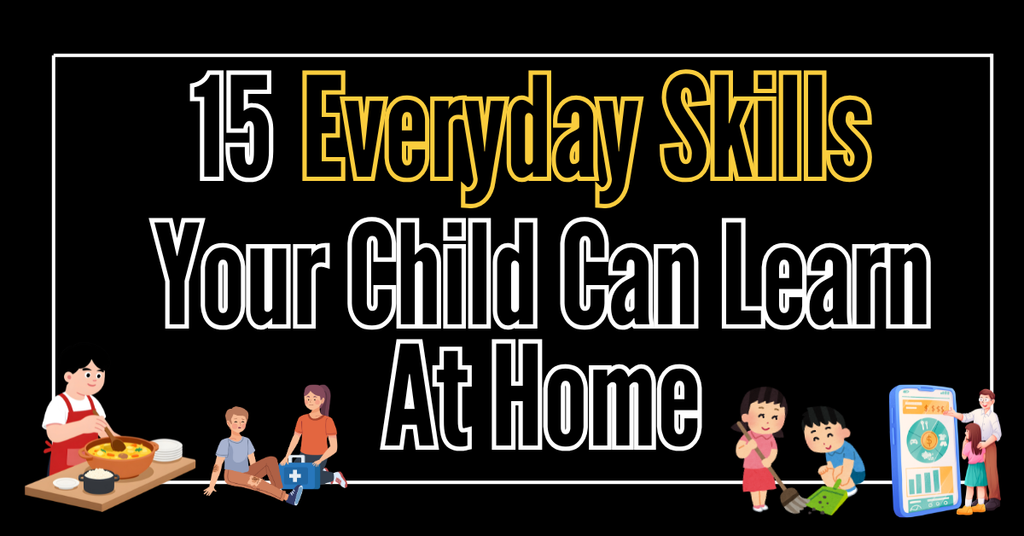
Life skills are the practical skills children need to manage everyday life, become more independent and eventually look after themselves. They can include everything from cooking and laundry to managing money, communicating and solving problems.
Homeschooling gives families something that can be difficult to find in a traditional school timetable: the opportunity to learn from everyday life.
While reading, writing, maths and science are important, children also need to learn how to cook a meal, manage money, organise their time, communicate with others and solve the practical problems that come with being an independent adult.
And the best part? Many life skills don't require a special lesson. They can be learnt simply by getting children involved in everyday family life.
What life skills should children learn?
Children can learn a wide range of practical life skills at home, including:
- Cooking and food preparation
- Managing money and budgeting
- Shopping and comparing prices
- Doing laundry
- Cleaning and organising
- Managing time
- Basic sewing and repairs
- Communicating with others
- Planning meals
- Personal hygiene
- Basic first aid and safety
- Planning and organisation
- Gardening
- Problem-solving
- Looking after themselves and others
1. Cooking & Food Preparation
Cooking is a fantastic learning opportunity. While cooking and baking, children can practise reading, following instructions, measuring, fractions, timing and food safety while developing a skill they'll use for the rest of their lives.
Start with something simple and gradually increase their independence.
2. Budgeting & Money
Give children opportunities to handle real money and make decisions about spending and saving.
You might give them a small budget for a shopping trip and ask them to work out what they can afford. Older children can learn about budgeting for a meal, comparing prices or planning how to save for something they want.
3. Shopping & Comparing Prices
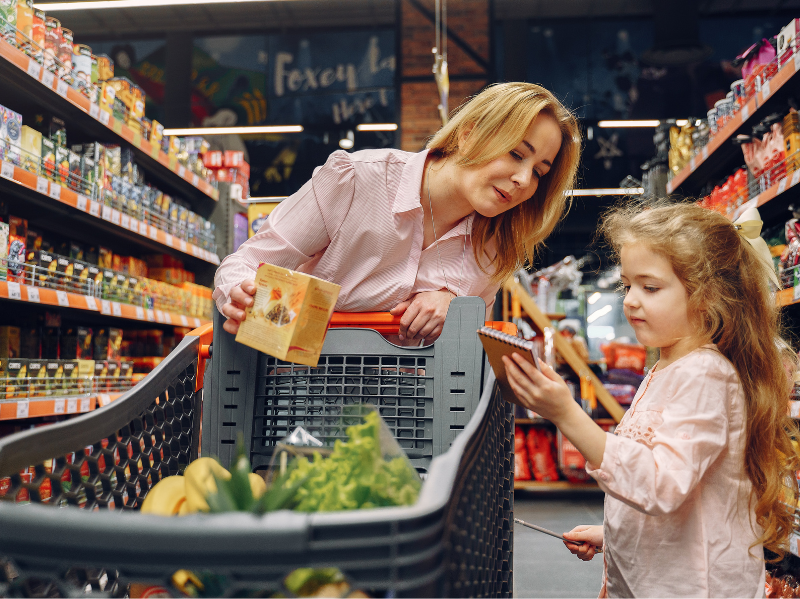
A trip to the supermarket can become a surprisingly rich learning experience.
Ask your child to find items on a list, compare prices, calculate quantities or work out which product represents better value. Younger children can help locate products, while older children can take responsibility for part of the shopping.
4. Laundry & Clothing Care
Sorting colours, reading care labels, measuring detergent and learning how to operate a washing machine are practical skills worth teaching.
It may take longer initially, but you're investing in your child's independence.
5. Cleaning & Organising
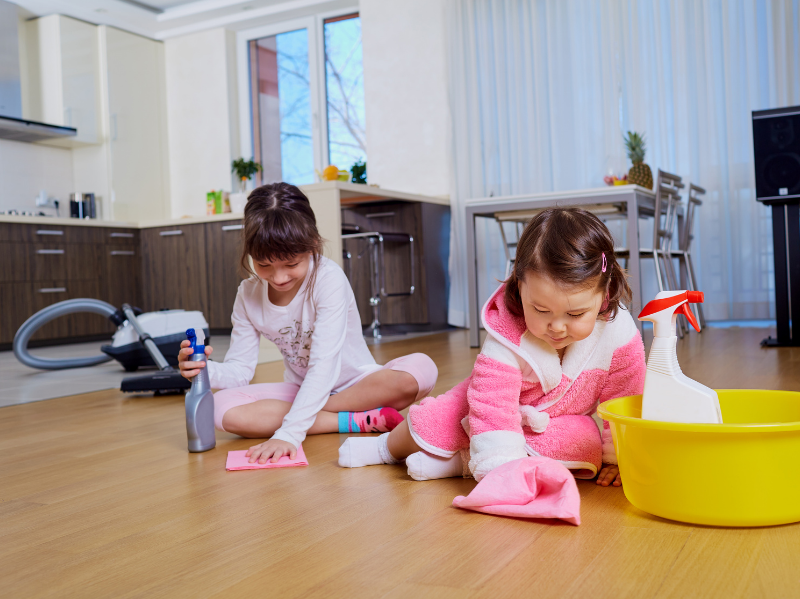
Children can learn to care for their belongings and shared spaces through age-appropriate jobs such as making their bed, tidying a room, washing dishes or cleaning a bathroom.
These aren't simply chores. They're opportunities to develop responsibility, organisation and independence.
6. Time Management
Help children learn how long everyday tasks actually take. Cooking breakfast, getting ready for an outing or completing a project can all provide opportunities to practise planning and estimating time.
A visual timetable or weekly planner can be particularly useful for younger children.
7. Basic Sewing & Clothing Care
Knowing how to sew on a button, repair a small tear or care for different fabrics can save money and reduce waste.
Even children who aren't interested in sewing can benefit from learning basic clothing care.
8. Communication Skills
Knowing how to communicate clearly and respectfully is one of the most valuable life skills of all.
Encourage children to practise making phone calls, writing emails, asking questions, speaking to unfamiliar people and explaining what they need.
These skills become increasingly important as children grow older.
9. Meal Planning
Ask your child to help plan a week's meals.
They can consider what the family already has, create a shopping list, think about balanced meals and help work out quantities. Older children can take responsibility for planning and preparing an entire meal.
10. Personal Hygiene
Children gradually need to take responsibility for looking after themselves.
Depending on their age, this might include showering independently, brushing teeth properly, caring for their hair, understanding basic hygiene and knowing when they need to ask for help.
11. First Aid & Safety
Children should gradually learn what to do in everyday emergencies.
Age-appropriate activities can introduce concepts such as calling for help, identifying hazards, understanding basic first aid and knowing important safety information. You can find basic first aid resources and guidance here, but remember – you should always consult with your doctor for accurate medical information.
12. Planning & Organisation
Whether they're planning a family outing, packing for a holiday or organising a project, children can learn how to break a big task into manageable steps. This is a skill they'll use throughout education, work and everyday life.
13. Gardening
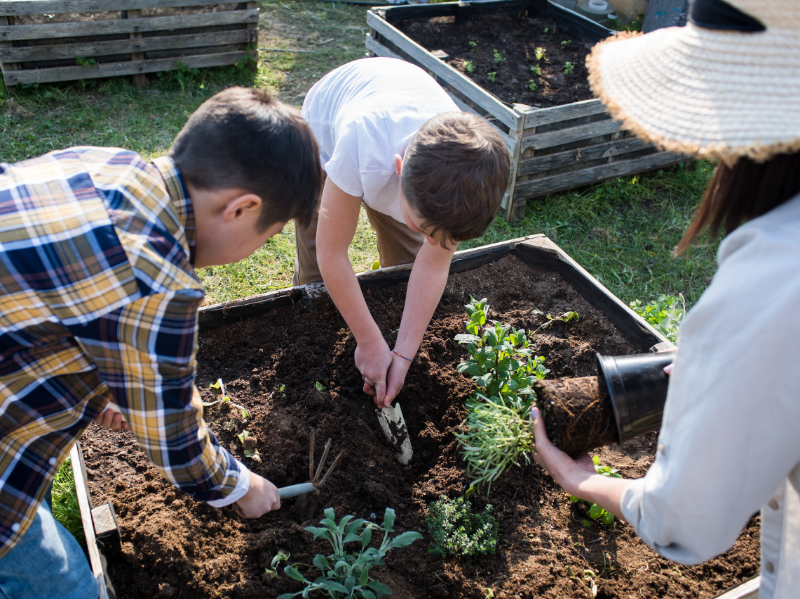
Gardening combines practical skills with science. Children can learn about plants, seasons, weather, soil and sustainability while also developing patience and responsibility. Growing something from seed provides a wonderful opportunity to observe change over time.
14. Problem Solving
Resist the temptation to immediately fix every problem for your child. If something isn't working, ask questions such as, “What could we try?” or “What do you think is causing the problem?”
Whether they're fixing a toy, working out why a recipe hasn't worked or deciding how to complete a project, these moments build confidence and resilience.
15. Looking After Themselves & Others
Perhaps the most important life skill is learning to recognise what we need and how we can contribute to the people around us.
Children can practise this by preparing something for a family member, helping someone who is struggling, recognising when they need a break or learning when it is appropriate to ask for help themselves.
You can find worksheets on Twinkl that encourage children to think about how to look after themselves and what constitutes being healthy. You can discuss all the different ways children should look after themselves, such as eating a balanced diet, doing exercise or talking to others about how they are feeling. Being healthy doesn’t just mean taking care of our physical health, but making sure we look after our mental health too.
More resources to help build life skills
You don't need to turn every life skill into a formal lesson. However, printable activities can provide helpful structure when you're introducing a new skill or looking for ideas.
The key is to connect the resource to real life:
- Use a budgeting worksheet before heading to the shops
- Try a time management activity when planning the week
- Use a recipe as an opportunity to practise reading and maths
Because ultimately, life skills are learning too.
Homeschooling gives families the freedom to recognise that learning doesn't only happen when a workbook is open. Sometimes the most valuable lessons happen in the kitchen, at the supermarket, in the garden, at the washing machine or while working out how to solve an unexpected problem.
These everyday experiences are helping children become capable, confident and increasingly independent, and that's education worth celebrating!
If keeping a record of your child’s learning is valuable to you, Twinkl’s extensive catalogue includes a range of printables to help you do just that. In fact you can even do so with a free trial.
Thanks to the team at Twinkl for sharing these helpful tips with our community. For more information about Twinkl, their free trial and their ever expanding range of educational resources, see their detailed listing in the Homeschool Resource Directory.
Frequently Asked Questions About Life Skills for Kids
What are the most important life skills for children?
There isn't one set list of life skills every child needs to learn at the same age. Cooking, money management, personal hygiene, communication, time management, problem-solving and household responsibilities are all useful skills that help children become increasingly independent.
How can I teach my child life skills at home?
The easiest way is to involve children in everyday family life. Invite them to cook, shop, do laundry, plan meals, manage a small budget, clean, organise their belongings and solve age-appropriate problems rather than doing everything for them.
Why are life skills important for children?
Life skills help children develop practical independence, responsibility, problem-solving abilities and confidence. They also give children opportunities to apply academic skills such as reading, maths and communication in real-world situations.
What life skills can children learn through homeschooling?
Homeschooling offers many opportunities to practise life skills naturally because learning happens through everyday activities. Cooking, shopping, budgeting, gardening, household tasks, planning and problem-solving can all become part of a child's learning.
