
For many homeschoolers, the Waldorf main lesson is the heart of the day; a sacred stretch of focused, creative learning where a child’s mind is most open and alert. But how do you design one that truly meets your child where they are? The answer lies in three words that have guided educators for over a century: rhythm, readiness, and relevance.
The Main Lesson: A Living Story
In Waldorf-inspired learning, a main lesson isn’t just a block of teaching time; it’s a living story that unfolds through rhythm and repetition. A Waldorf main lesson begins with warmth and wonder: a poem, song, or observation then moves into focused learning, creative expression, and quiet reflection.
A simple structure might look like this:
- Warm-up: Movement, verse, or recap of yesterday’s learning.
- Main learning: Introduce new content through story, art, or discovery.
- Practice: Deepen understanding through writing, drawing, or hands-on work.
- Reflection: A calm close: journalling, sharing, or quiet reading.
This rhythm gives children something their nervous systems crave: predictability. Within that predictability, they find freedom to explore, create, and think deeply.
Rhythm and Routine: The Gentle Framework
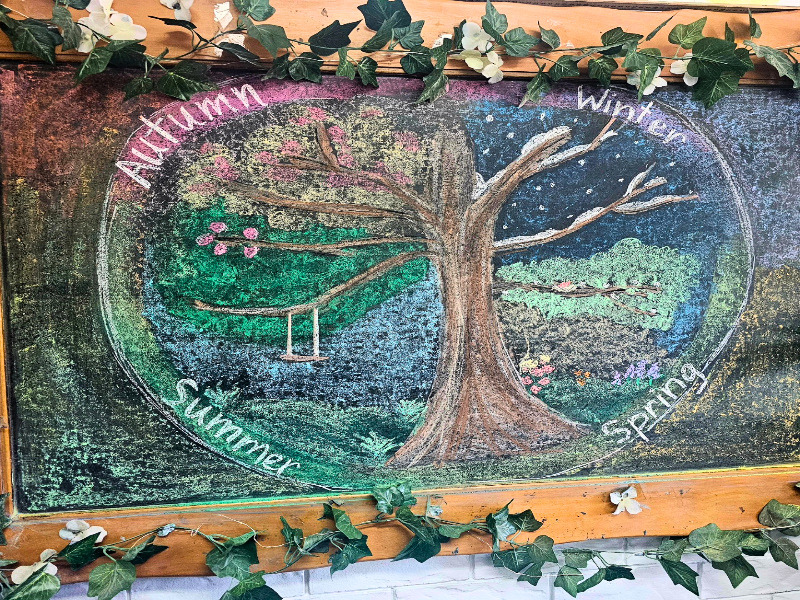
Children flourish when their days flow like music, with a steady beat and soft pauses. Neuroscience confirms what Waldorf teachers have long observed: rhythm helps regulate emotion, focus, and memory. It creates a sense of safety that allows higher-order thinking to thrive.
You might begin each day with the same touchpoints: a song, a candle, a shared moment outside. Then alternate periods of focus with moments of rest or movement. Even a short walk, snack, or cuddle can reset attention and bring balance.
Tip: Rather than scheduling every minute, anchor your day around “breathing” and “breathing out” moments; concentration and expansion, stillness and movement. The balance keeps learning sustainable for both children and parents.
Adapting Rhythm for Different Learners
No two children move through the day alike. Some need more time to transition between tasks; others focus best early, or after they’ve moved their bodies. Neurodiverse learners, in particular, often thrive when rhythm is consistent but flexible; predictable in structure, yet gentle in flow.
For younger children, rhythm often looks like routine and repetition: morning songs, craft time, nature walks. For older learners it might mean chunking lessons into shorter bursts, allowing self-directed breaks, or offering creative alternatives to written work. The goal isn’t to force one rhythm on every child, but to listen for the rhythm within them.
Meeting the Child Where They Are
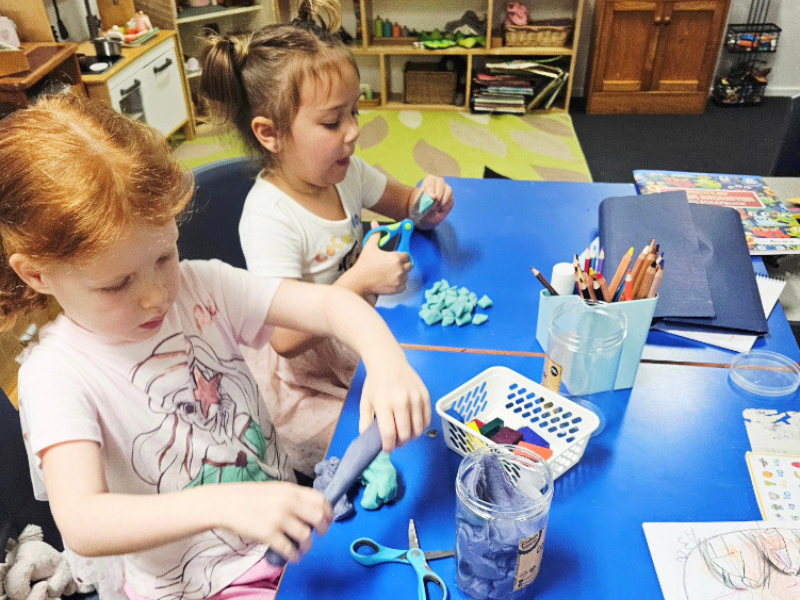
Traditional schooling measures progress by age, but children learn in stages, not on timetables. A seven-year-old and a nine-year-old might share the same maths level but differ in emotional readiness, attention span, or creative confidence, and that’s perfectly normal.
Observing your child’s developmental stage means asking:
- What kinds of stories engage them most deeply right now?
- Do they learn best through action, imagination, or reflection?
- Are they showing signs of readiness for new academic skills, or do they need more time for mastery?
When we teach through stages, not standards, children grow at a pace that feels natural. Confidence replaces comparison.
Multi-age learning environments are one of the best examples of this philosophy in action. Older students gain leadership and empathy by helping younger ones; younger students rise to meet the example of their peers. The room … or Zoom! becomes a microcosm of community learning, echoing the way humans have always shared knowledge.
Education for a New Generation
The world our children are growing into is changing fast. Yet the human need for meaning, creativity, and connection remains timeless. Modern Waldorf-inspired education seeks to bridge that gap, honouring the slow, soulful qualities of the past while embracing the tools of the present.
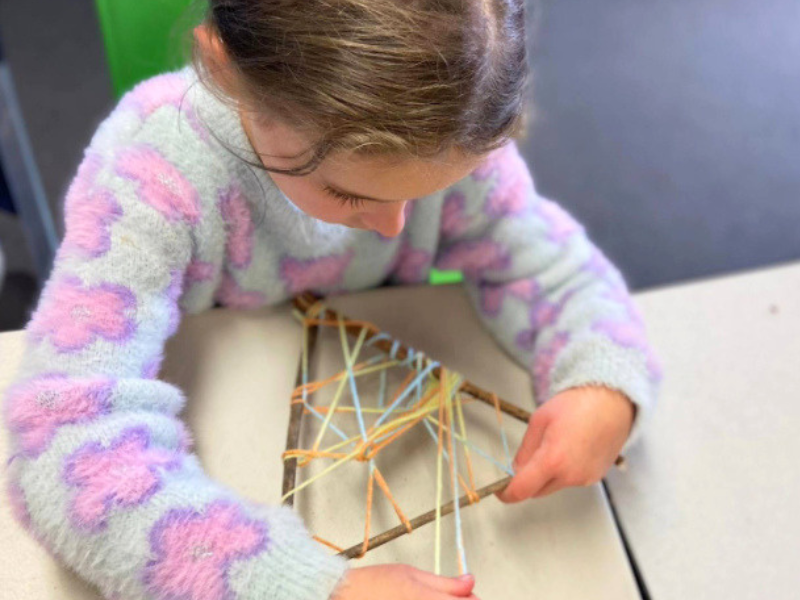
Today’s homeschoolers are proving that digital learning doesn’t have to feel mechanical. A screen can become a window to story, collaboration, and art when balanced with rhythm, imagination, and the real world beyond the device. Coding can live alongside clay modelling. Online lessons can begin with mindfulness, music, or movement. Technology, used consciously, can extend rather than replace the warmth of human teaching.
Bringing It All Together
When you sit down to write your next Waldorf main lesson, think beyond subjects and outcomes.
Ask:
- What story do I want this lesson to tell?
- Where does my child’s energy sit today … inward or outward?
- How can rhythm, creativity, and relevance work together to make this meaningful?
From there, the plan writes itself, one breath, one rhythm, one spark at a time.
At Sunshine Bridge and Modern Waldorf, we’ve seen families transform simply by finding their flow: learning through connection, not correction; through rhythm, not rigidity; through imagination, not imitation. However you homeschool, remember the most important curriculum is the relationship between you and your child, and that is the true heart of every meaningful Waldorf main lesson.
Thanks to Hayley from Modern Waldorf Online for sharing her insights with the community. To find out more about how Modern Waldorf Online can support your homeschool, see their complete listing in the Homeschool Resource Finder Directory. Hayley is a passionate home educator holding a BEd in Primary Education and a BA in Psychology.
