
Children don’t just learn through lessons – they learn through relationships. A sense of safety, connection, and curiosity forms the foundation of every meaningful educational moment. Whether at the kitchen table, outdoors in nature, or online with peers, the environment we create matters just as much as the content we teach. This focus on the learning environment and the child’s emotional well-being is at the center of a holistic homeschooling approach.
The Neuroscience of Safety: Why the Brain Needs Calm to Focus
A child’s brain learns best when it feels safe. Emotional safety doesn’t mean avoiding challenge, it means knowing that mistakes won’t cost love or belonging. When children feel calm and supported, their focus sharpens, and their willingness to explore increases.
Simple connection rituals can transform the tone of a homeschool day:
- Begin with a greeting, a stretch, or a shared breath.
- Light a candle or say a small verse to mark the start of learning.
- End the day with reflection: “What did I enjoy most today?”
These small moments signal: you are safe to learn here.
Belonging Over Perfection: Building Confidence Through Connection
Many children, especially those learning from home, carry quiet fears about “keeping up.” Yet the real magic happens when we prioritise belonging over perfection. Confidence doesn’t come from never failing – it grows from being encouraged to try again.
When a child senses genuine belief in their potential, they start taking creative risks, asking questions, and expressing their own ideas. That’s when learning becomes alive.
Creativity: The Language of Understanding
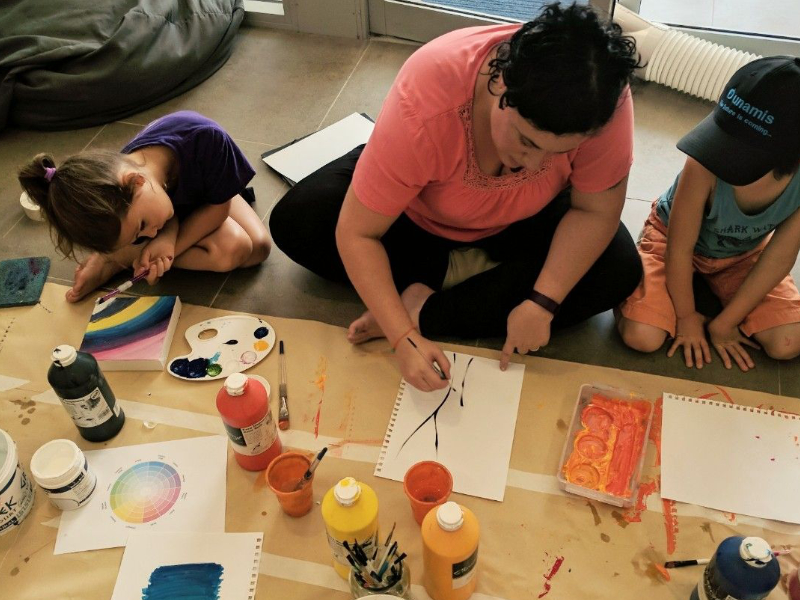
Art, storytelling, and imagination aren’t side subjects … they are how children make sense of the world. Research shows that creativity activates multiple areas of the brain, improving memory, problem-solving, and emotional regulation.
Try weaving art into your regular lessons:
- In maths: draw patterns, make clay shapes, or use natural materials for symmetry and fractions.
- In science: sketch observations, illustrate cycles, or dramatise discoveries.
- In literacy: turn stories into puppet plays, poetry, or illustrated journals.
When hands, heart, and head work together, learning becomes not just understood – but felt.
The Power of Creative Rhythm
Building rhythm and variety into the week helps children feel secure while staying inspired. Many families find that their days are more balanced when they embrace a holistic homeschooling approach through “creative days”—time devoted to music, art, or projects that connect multiple subjects.
For example:
- Painting a story from history to reinforce sequencing and emotion.
- Designing a garden layout to explore measurement and sustainability.
- Writing a poem after a science experiment to blend observation with expression.
Learning this way engages the whole child: intellect, imagination, and will.
A Culture of Connection: Finding the Joy in Learning
No matter what curriculum or approach you use, warmth and creativity are universal ingredients of lasting education. When parents and teachers lead with empathy, children not only learn more … they learn to love learning.
Every act of connection, every creative spark, builds something deeper: a child’s sense of belonging in the world. And that’s the kind of learning that lasts. At Sunshine Bridge Education and Modern Waldorf, we see this truth every day – that when lessons begin with connection and creativity, confidence naturally follows. Our approach blends academic structure with heartfelt imagination, helping families rediscover the joy of learning together.
Thanks to Hayley from Modern Waldorf Online for sharing her insights with the community. To find out more about how Modern Waldorf Online can support your homeschool, see their complete listing in the Homeschool Resource Finder Directory.
