
Teaching phonics at home can feel big, especially if you’re new to homeschooling and wondering, how do I teach my child to read. I am a big believer in a play-based style that gives your child the freedom to explore and investigate at their own pace. Phonics is most powerful when it feels meaningful, hands-on, and connected to real life. Children learn best through play, movement, and exploration, and this absolutely includes learning letter-sound relationships.
Below you’ll find practical, play-based phonics strategies specifically designed for Australian homeschooling families. These ideas support Prep–Year 2 learners and complement any structured phonics or reading curriculum you’re already using.
Why Phonics Matters
Phonics is the connection between sounds (phonemes) and the letters that represent them (graphemes). When children understand these patterns, reading and spelling become easier, more automatic, and more enjoyable. Strong phonics foundations also build confidence, something we value deeply in homeschool learning.
But phonics should never become a chore. When children ‘feel the learning’ through movement, touch, rhythm, and play, their brains retain it far better.
Play Based Phonics Strategies for Home
1. Sound Hunts Around the House
Choose a focus sound and go searching!
Ask your child to find objects beginning with that sound (e.g., /m/ → mug, magnet, mat).
Hands-on extension:
Create a “sound museum” where your child displays the objects with handwritten labels. Take a photo and add it to their learning journal.
2. Water Play Sound Sorting
Fill two or three containers with water.
Place waterproof letters (magnets, foam letters, laminated graphemes) nearby.
Activity:
Have your child “rescue” the letters that match the focus sound or sort letters into groups (e.g., vowels, digraphs, tricky sounds).
Why it works:
Water play is sensory, calming, and perfect for early learners.
3. Phonics Hopscotch
Draw hopscotch on the concrete using chalk.
Inside each square write a grapheme or digraph you’re currently learning (e.g., sh, th, ch, ai, ee).
How to play:
Call out a sound, and your child hops to the corresponding square.
For a challenge: call out a word and they hop on each sound as they segment it.
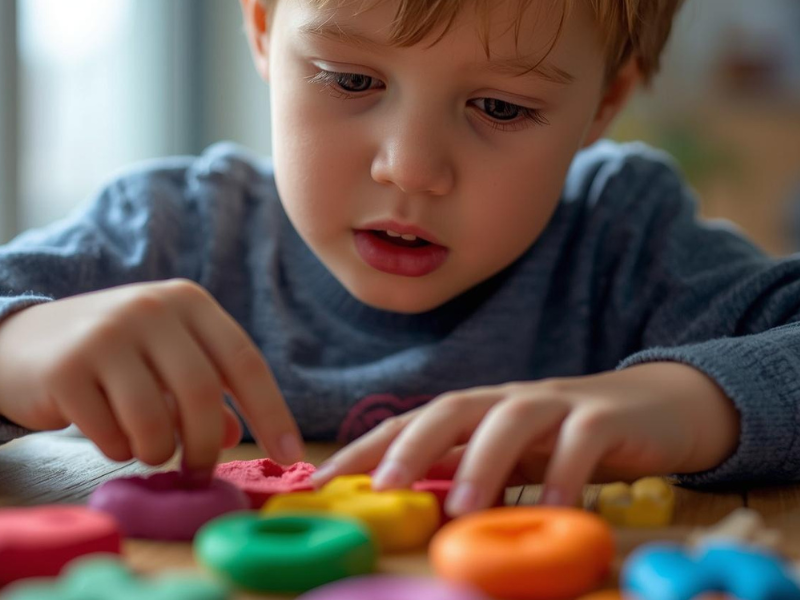
4. Playdough Letter Builders
Use playdough to roll, squish, and shape letters.
Ideas:
- Build the target letter and say the sound each time you touch it
- Create a picture of something starting with the same sound
- Press objects (nature items, beads, lego) into the playdough to form the letter shape for extra sensory feedback
5. Alphabet Roads for Toy Cars
Draw big roads shaped like letters on cardboard.
Children drive toy cars along the letter while saying the sound aloud.
Extension:
Add “sound stops” where they must say a word beginning with that letter before continuing.
6. Multi-Sensory Rainbow Writing
Children write the letter or grapheme using:
- chalk
- crayons
- paint
- textured surfaces
- sand trays
Encourage them to say the sound while writing.
Why:
The more senses involved, the stronger the learning.
7. Real-Life Reading Around the Home
Phonics is strongest when children see it in the real world. This is something many parents discover when asking how do I teach my child to read in a natural, everyday way.
Try:
- Reading labels in the pantry
- Finding words with target sounds in mail, catalogues, or packaging
- Searching for the day’s focus sound at the supermarket
- Writing shopping lists focusing on CVC words (e.g., ham, tin, cat)
Tips for Australian Homeschooling Parents
- Keep lessons short (10–15 minutes is enough).
Short bursts of high-quality, hands-on practice beat long, tiring sessions. - Follow a clear progression.
Move from simple letters → digraphs → longer vowel patterns. - Revisit sounds often.
Mastery comes from repetition through play, not from pushing ahead too quickly. - Pair phonics with daily reading.
Use decodable readers aligned with what your child is learning. - Focus on success, not perfection.
Use your child’s interests (e.g., a “Dino Digraph Hunt”).
Phonics progress can be slow at times; remember, confidence boosts motivation.
Phonics at home doesn’t need to look like a classroom. When we blend structured learning with play, curiosity, and movement, children feel capable and excited about reading. Australian homeschooling allows the freedom to learn in the garden, at the kitchen bench, at the beach, or snuggled on the couch, and to follow the pace of your child.
The best learning happens when your child feels safe, supported, and involved. These play-based phonics ideas help create exactly that environment. If you’ve been wondering how do I teach my child to read, this gentle, play-based approach is a beautiful place to begin.
Thanks to Emma from At Home Education Support for sharing her wisdom with our community.
