

Many families discover that homeschooling their children becomes one of the most rewarding and meaningful journeys they ever undertake. However, others find themselves overwhelmed, stressed, and struggling to manage the expectations that come with educating at home.
Research and experience from thousands of homeschooling families has shown that burnout often occurs when parents feel pressured to recreate traditional school at home, meet unrealistic expectations, or focus more on completing curriculum than building connection.
The key to successful homeschooling is understanding that education is not simply about lessons, books, and assignments. Education is a relationship. The atmosphere of the home, the connection between parent and child, and the joy of learning together all play a vital role.
Here are some important principles that can help families create a successful and sustainable homeschooling experience.
1. Create a Vision for Your Homeschool
Before choosing curriculum or planning lessons, consider your overall vision for your family.
Ask yourself:
- Why have we chosen to homeschool?
- What values and skills do we want to develop in our children?
- What kind of adults are we hoping they will become?
- What does a successful education look like for our family?
Homeschooling is not about copying school at home. It is about creating an education that fits your family, your children, and your goals.
Write down your vision and keep it somewhere visible. On difficult days, it can remind you why you started and help you focus on what matters most.
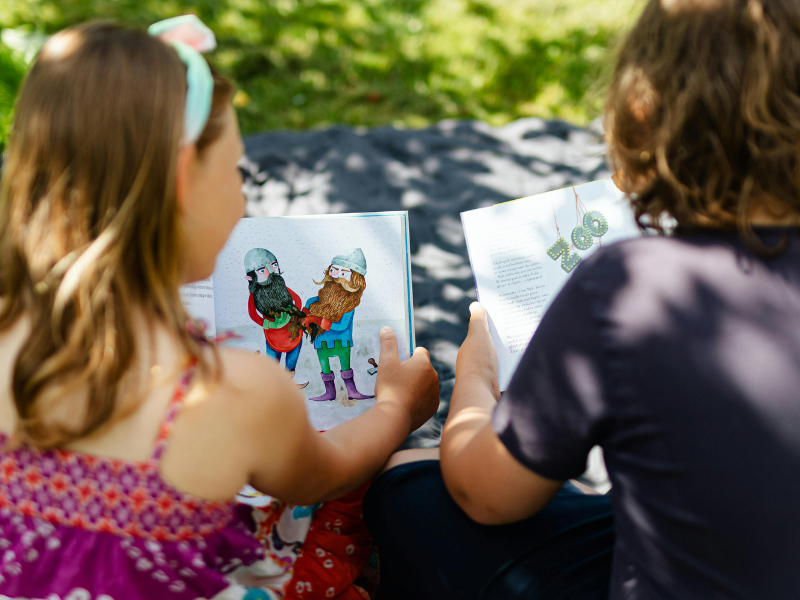
2. Prioritise Relationships
One of the biggest advantages of homeschooling is the opportunity to build strong relationships with your children.
Sometimes families need to slow down academically and spend time reconnecting. This might involve playing games, exploring nature, reading aloud together, cooking, going for walks, or simply having meaningful conversations.
Children learn best when they feel secure, valued, and understood. A strong relationship provides the foundation for curiosity, confidence, and a lifelong love of learning.
3. Understand Your Child’s Needs
Behaviour is often communication. When children become frustrated, unmotivated, or difficult, it can be helpful to look beneath the behaviour and ask what they may need.
Children, like adults, need connection, encouragement, purpose, freedom, achievement, rest, and opportunities for fun.
A child who is struggling may not need more pressure. They may need more time outdoors, a conversation, encouragement, a break, or reassurance that they are capable.
Meeting these needs creates an environment where learning can flourish.
4. Establish a Routine That Works for Your Family
Successful homeschooling requires balance. Too much structure can create unnecessary pressure, while too little structure can lead to confusion and frustration.
A consistent routine helps children feel secure and allows the family to make steady progress. However, flexibility is one of homeschooling’s greatest strengths.
The goal is to find the balance between routine and freedom: having enough structure to create order while remaining open to unexpected learning opportunities.
Remember that homeschooling includes more than academic work. Household responsibilities, cooking, gardening, creative projects, and community involvement all provide valuable learning experiences.

5. Focus on Quality, Not Quantity
Young children do not need hours of formal lessons each day. Short, focused learning sessions are often more effective than long periods of worksheets and textbooks.
Reading together, playing educational games, exploring interests, and having conversations can build strong foundations.
Learning maths through cooking, measuring, building, and everyday activities can be just as valuable as completing a workbook.
The goal is not to fill every moment with schoolwork. The goal is to develop capable, curious learners.
6. Educate the Whole Child
A successful homeschool education develops more than academic knowledge.
Children need opportunities to grow intellectually, practically, socially, and emotionally.
Balance academic study with:
- Practical life skills
- Creative activities
- Physical movement
- Helping others
- Exploring personal interests
- Developing responsibility and independence
Children learn through experience, not just through information.
7. Learn Alongside Your Children
Parents do not need to know everything. One of the joys of homeschooling is becoming a lifelong learner together.
When your child asks a question, explore the answer together. Visit the library, research topics, experiment, and discuss ideas.
Children benefit from seeing that learning is not something that ends when school finishes. It is a natural part of life.

8. Teach Multiple Children Together Where Possible
Families with several children can often reduce pressure by learning together.
A shared topic such as history, science, literature, or nature study can involve the whole family, with each child completing activities suited to their level.
Older children can also reinforce their own understanding by helping younger siblings.
9. Protect the Learning Environment
The home environment has a significant influence on children’s attitudes and habits.
Families may choose to carefully consider the amount of time spent on screens, entertainment, and outside influences.
At the same time, children need opportunities to develop independence, confidence, and problem-solving skills. The goal is not to control every experience, but to provide thoughtful guidance and healthy boundaries.
10. Remember: Homeschooling Is About Connection
Many parents worry about finding the perfect curriculum or covering every possible subject. However, the most important ingredient in successful homeschooling is not a resource or program.
It is the relationship between parent and child.
A relaxed, encouraging environment where children feel loved, respected, and inspired creates the foundation for meaningful learning.
Keep the wonder alive. Read great books. Explore the world. Encourage questions. Celebrate progress.
Homeschooling is not about creating a perfect school environment at home. It is about creating a life where learning naturally happens every day.
Thank you to Bruce from Homeward Education Support for sharing these helpful tips with our community. To find out more about how Homeward Education Support can assist you on your homeschool journey, visit their listing in the Homeschool Directory.
